
Early intervention: a strategy for supporting children with Down syndrome and intellectual disabilities and their families
- Host club
- Club Rotario Nuevo MedellínDistrict 4271
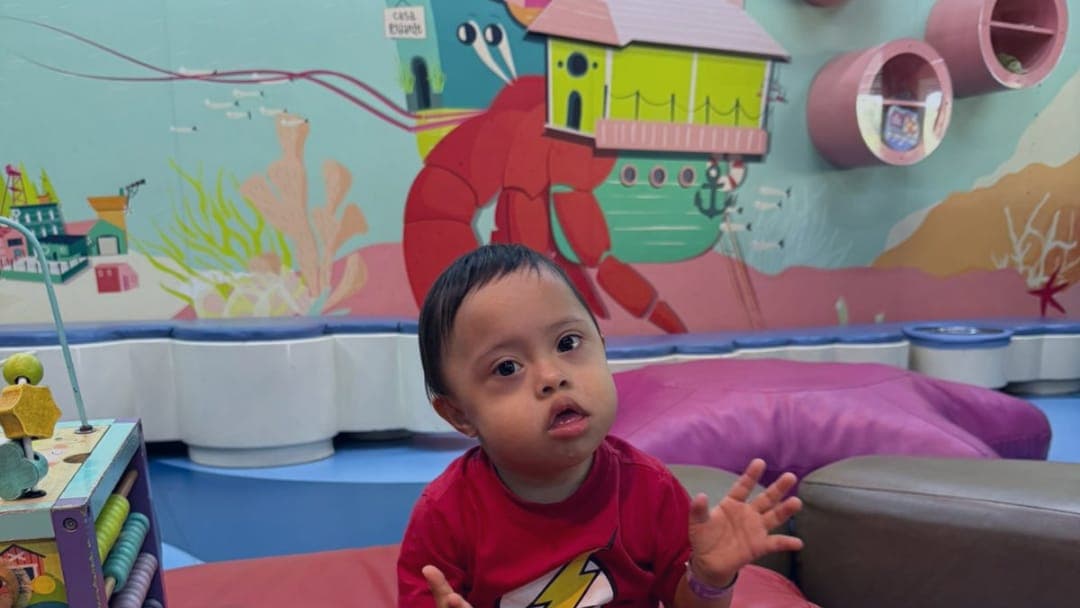
About the project
Promote the holistic development and inclusion of low-income children ages 0 to 6 with neurodevelopmental disorders through an early intervention program that strengthens their abilities and fosters their active participation in family, educational and community settings.
Objective
To promote the holistic development and inclusion of children ages 0 to 6 from socioeconomic strata 1, 2 and 3, who come from low-income families and have neurodevelopmental disorders, through an early intervention program that strengthens their abilities, fosters their active participation in family, educational and community settings, and contributes to building a more inclusive society that is aware of and committed to respecting diversity and guaranteeing their rights.
Project design
The project "Early Intervention: A Support Strategy for Children with Down Syndrome, Intellectual Disabilities and Their Families", led by the Andecol Foundation, aims to provide comprehensive and interdisciplinary care to children ages 0 to 6 with disabilities and neurodevelopmental disorders from families in socioeconomic strata 1, 2 and 3, strengthening their holistic development and the role of their caregivers as key actors in the intervention process.
Early intervention is essential for children with intellectual disabilities and Down syndrome because it supports their development during the first years of life, a critical stage for learning. Timely intervention strengthens cognitive, motor, communication and social skills; promotes autonomy; and gives families tools to support the developmental process, improving opportunities for inclusion and quality of life.
To this end, the project includes identifying and characterizing the beneficiary population, conducting interdisciplinary assessments, developing individualized intervention plans, providing individual and group therapy sessions, offering family support, conducting home visits, holding training workshops and carrying out interventions in natural settings. These actions seek to enhance the children's communication, motor, cognitive and socio-emotional skills, fostering their active participation in family, educational and community settings.
The project also aims to reduce the economic, social and access barriers to specialized services that families face, ensuring the continuity of early intervention processes by providing transportation grants to the beneficiaries who need them. The goal is to make it easier to attend the interventions, promote inclusion in family, educational and community settings, and help strengthen the autonomy and quality of life of the children and their families.
Beneficiaries
Children ages 0 to 6 with disabilities and neurodevelopmental disorders, such as Down syndrome, intellectual disabilities, developmental delays and other related conditions, from families in socioeconomic strata 1, 2 and 3. The project also includes their primary caregivers and other members of the immediate family, recognizing their fundamental role in early intervention and child development.
Direct beneficiaries:
- 60 children who will receive comprehensive, interdisciplinary early intervention services.
- 60 primary caregivers who will take part in training, guidance and family support.
Indirect beneficiaries:
- 60 secondary caregivers or members of the immediate family, who will benefit from strategies to strengthen families and support the children's development.
Estimated total: 180 beneficiaries.
Sustainability
The project's sustainability will rest on a resource management strategy that includes coordination with public and private entities, participation in national and international cooperation calls for proposals, the management of donations and strategic partnerships, and the ongoing contribution of the Andecol Foundation's own resources.
The Early Intervention program is already up and running and is part of the Foundation's permanent services. It currently serves children with disabilities and neurodevelopmental disorders, and their families, through assessment, interdisciplinary intervention and family support. However, demand keeps rising, especially among families in socioeconomic strata 1, 2 and 3, who face financial barriers and difficulties in accessing specialized therapy and keeping it up. The requested support will make it possible to expand the program's coverage, strengthen the interdisciplinary team, provide transportation grants to reduce access barriers and ensure that more beneficiaries can continue in the program.
As a sign of its commitment to comprehensive care, the Andecol Foundation will co-fund the project with its own resources, drawn from institutional surpluses and allocations for physical infrastructure, staffing, specialized equipment, administrative services and human resources, covering a significant portion of the operating costs. This contribution reflects institutional shared responsibility and strengthens the program's financial viability and sustainability in the medium and long term.
The project also seeks to build lasting capacities within families through training, guidance and support, strengthening their ability to apply stimulation and developmental support strategies in everyday settings. In this way it promotes the continuity of the children's progress, even outside therapy.
The Andecol Foundation has 27 years of experience providing comprehensive care for people with Down syndrome, intellectual disabilities and other neurodevelopmental disorders. It also has adequate physical infrastructure, established intervention methodologies and extensive experience developing programs focused on social, educational and community inclusion, which ensures the technical, operational and administrative capacity needed to implement and sustain this project.
Monitoring and evaluation
The project will include a monitoring and evaluation process to measure the scope, quality and outcomes of the care provided to children and their families. As standard measures, it will use the number of children receiving early intervention services and the number of primary caregivers taking part in guidance and training.
It will track the number of children identified, assessed through an interdisciplinary approach and served; the number of therapy sessions held; attendance and retention in the program; the number of families benefiting from support and workshops, home visits and interventions in natural settings; and the number of beneficiaries receiving transportation assistance.
To evaluate results, progress toward the goals set in the individualized intervention plans will be monitored, identifying improvements in the children's motor, communication, cognitive, socio-emotional, autonomy and participation skills, according to their individual characteristics and needs.
For families, the evaluation will assess how caregivers' knowledge and skills to support their children's development and promote their participation in different settings have been strengthened. Data will be collected through care records, attendance records, interdisciplinary assessments, follow-up on intervention plans, records of workshops and home visits, and family satisfaction surveys.
At the end of the project, initial and final results will be compared to determine the level of achievement of the goals and to show the changes observed in the children and their families.
Implementation year
2027
Documents
Booth team
This booth's team has not registered yet.