
Dancing for Rain: clean, safe drinking water for Indigenous Tarahumara families, phase 4 (H2H)
- Host club
- Club Rotario Chihuahua CampestreDistrict 4110
- International partner club
- Club Rotario Decatur DaybreakDistrict 6860
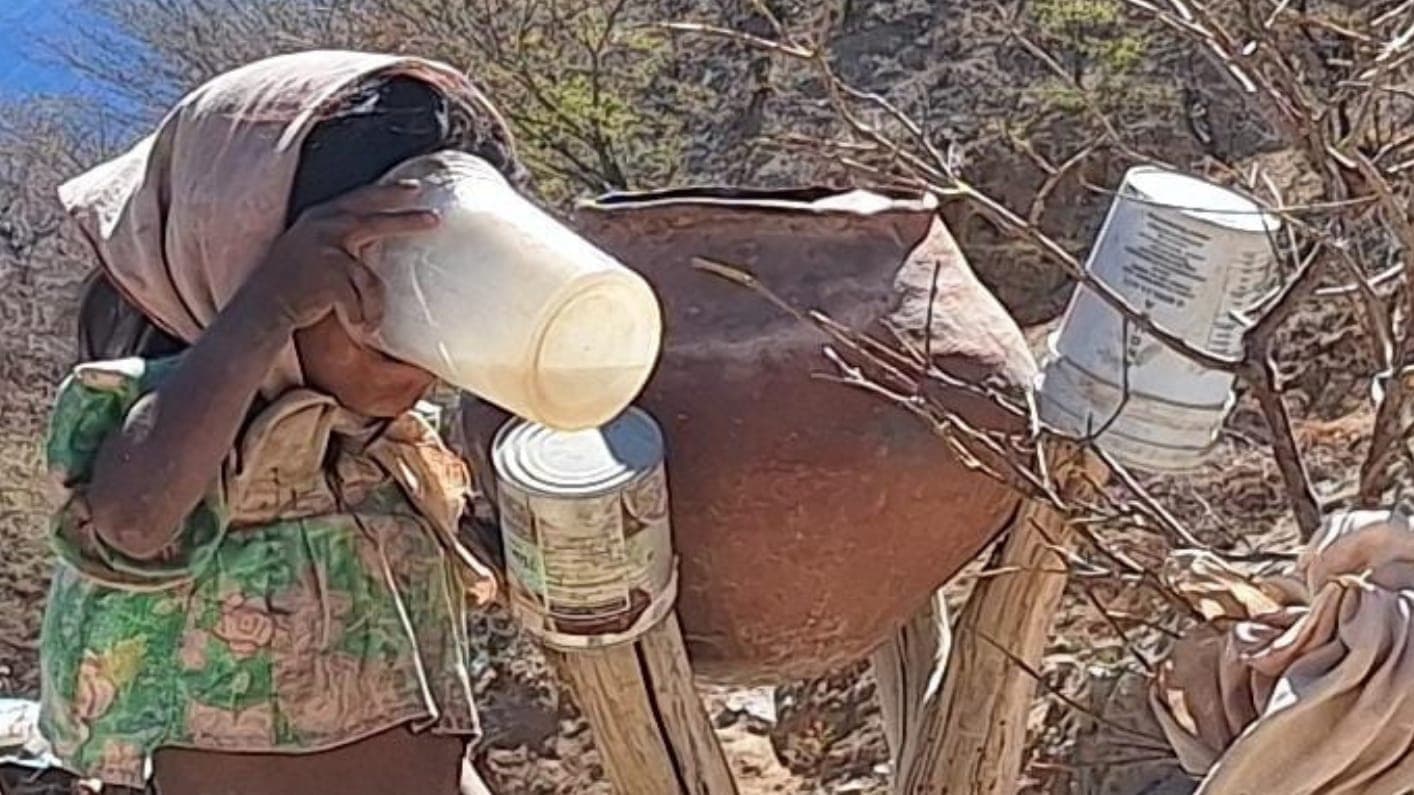
About the project
Improve sustainable access to drinking water for 46 Rarámuri Indigenous families (184 direct beneficiaries) in rural communities of Batopilas, Chihuahua, by installing household rainwater collection, storage and purification systems and training the community in water management, hygiene and environmental stewardship.
Objective
To improve sustainable access to drinking water for 46 Rarámuri Indigenous families (184 direct beneficiaries) in rural communities of the municipality of Batopilas, Chihuahua, through the installation of household systems for rainwater collection, storage and purification, and the implementation of community training programs on water management, hygiene and environmental stewardship, with the aim of improving health conditions, reducing the time spent collecting water and strengthening families' resilience in the face of marginalization and climate change.
Project design
The project includes a set of comprehensive activities aimed at ensuring sustainable access to safe water, combining infrastructure, training and community participation.
The main activities include:
- Community coordination and local organization, through meetings with traditional authorities and beneficiary families to validate, plan and monitor the project.
- Procurement and logistics of materials, including water tanks, gutters, filters and other supplies needed to install the rainwater harvesting systems.
- Installation of 46 household rainwater harvesting, storage and purification systems, with the active participation of beneficiary families and trained community technicians.
- Technical training on the proper installation, use and maintenance of the systems.
- Community workshops on water disinfection, hygiene and environmental stewardship, conducted in Spanish and in the Rarámuri language.
- On-site support and supervision to ensure proper installation, system operation and ownership by the families.
- Formal handover of the systems through handover records that document the project's completion, including photographic evidence and geolocation data.
These activities are carried out using a participatory approach that strengthens local capacities and promotes the project's long-term sustainability.
Beneficiaries
The project will directly benefit 184 people from 46 Rarámuri Indigenous families living in rural communities of the municipality of Batopilas, Chihuahua.
The direct beneficiaries include women, men, girls and boys who will have access to safe water for drinking, food preparation and hygiene, improving their health and quality of life.
Indirectly, the project will benefit approximately 300 additional people from the same communities, who will be able to replicate the practices they have learned regarding water management, hygiene and environmental stewardship, and it will strengthen the community's capacity for sustainable solutions to water access.
Sustainability
The project's sustainability is ensured through a comprehensive approach that combines community ownership, local capacity building and context-appropriate technologies.
Beneficiary families actively participate in the installation of the systems and sign letters of commitment, which promotes shared responsibility for their long-term use and maintenance. They also receive hands-on training in the installation, operation and maintenance of the systems, as well as in water disinfection, hygiene and environmental stewardship.
The project strengthens local capacities through the training and involvement of community technicians, who provide basic support and guidance within the communities, reducing dependence on outside assistance.
Rainwater harvesting systems are low-cost, durable and easy to operate, requiring no energy or complex infrastructure, which makes them well suited to dispersed rural communities.
In addition, CAPTAR A.C. maintains a continuous presence in the region, providing follow-up, monitoring and post-implementation support to ensure the proper use of the systems and the lasting nature of the benefits.
This model helps improve health, reduce vulnerability and strengthen families' resilience in the face of marginalization and climate variability.
Partner organizations
- CAPTAR A.C. (Centro de Acopio para la Tarahumara): the organization implementing the project.
- Rotary Club of Chihuahua Campestre: host club, working in collaboration with CAPTAR A.C.
- Partner Rotary clubs abroad: international support for the project.
- Traditional Rarámuri authorities (governors) and beneficiary families: actively involved in the planning, implementation and monitoring of the project to ensure cultural relevance and community ownership.
Monitoring and evaluation
- Number of systems installed: 46 household rainwater harvesting systems.
- Number of direct beneficiaries: 184 people.
- Number of people trained: 184 beneficiaries, in installation, maintenance, water disinfection, hygiene and environmental stewardship.
- Number of workshops held: at least 4 sessions per community (technical and educational).
Implementation year
2027
Documents
Booth team
This booth's team has not registered yet.