
Women in coffee-growing families: a national-scale model
- Host club
- Club Rotario Armenia InternacionalDistrict 4281
- International partner club
- Club Rotario Miramar-PinesDistrict 6990
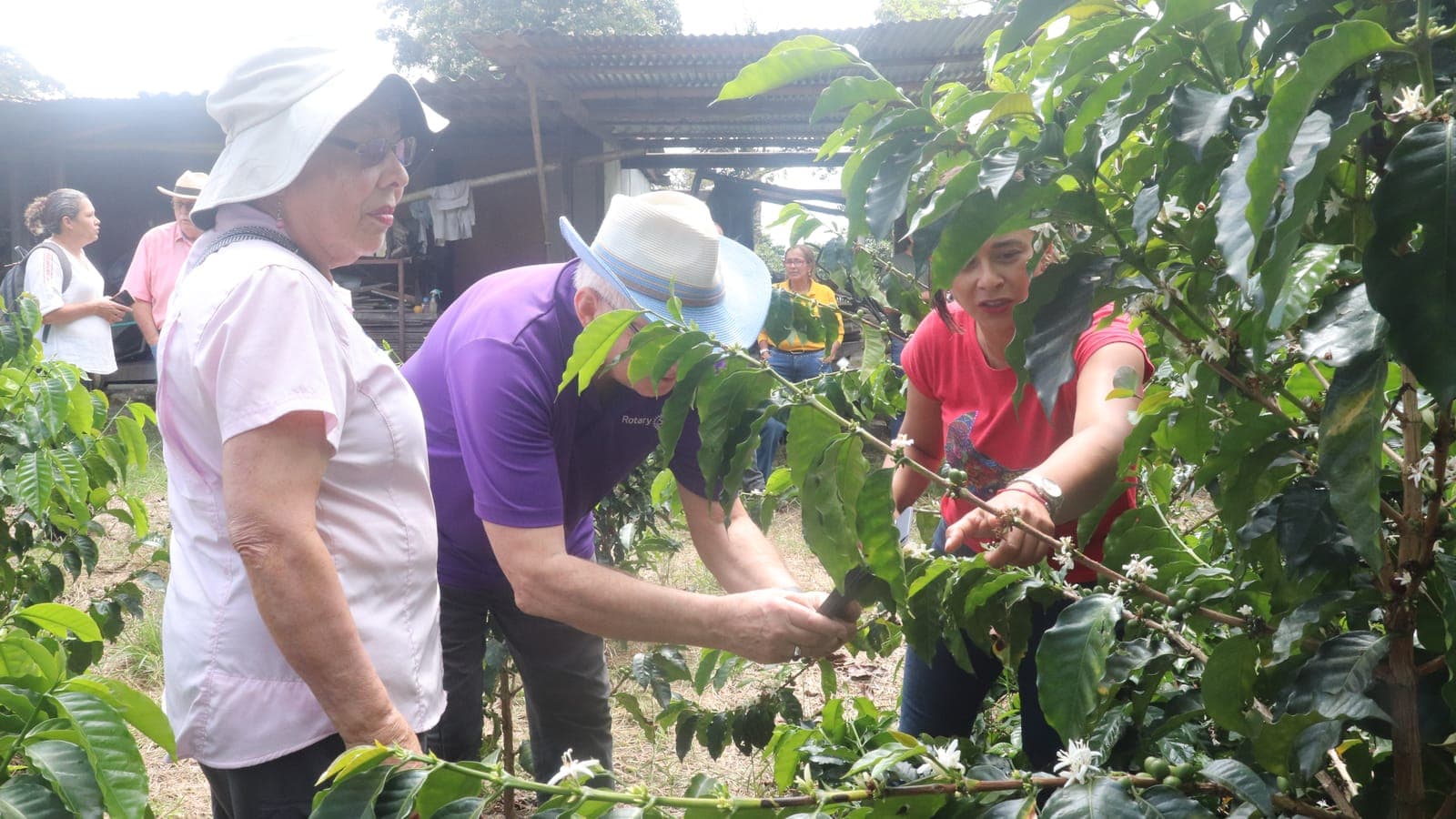
About the project
Strengthen the economy and sustainability of coffee-growing families in Quindío, Valle del Cauca, Huila and Boyacá, which together produce 40% of Colombia's coffee, by empowering producer families, promoting generational succession and implementing sustainable, value-added production models that preserve the Coffee Cultural Landscape.
Objective
Strengthen the economy and sustainability of coffee-growing families in Quindío, Valle del Cauca, Huila and Boyacá, departments that together account for 40% of Colombia's total production, by empowering producer families, promoting generational succession and implementing sustainable, value-added production models that preserve the Coffee Cultural Landscape, generating higher incomes, social cohesion and environmental resilience in rural communities.
Increase household income through productive diversification, value-added coffee processing and access to differentiated markets with a fair-trade approach. Empower coffee-growing families by strengthening their leadership, participation in associations and access to ownership and control of productive resources.
Project design
The project has been designed according to the needs of each region, based on the following lines of work:
- Productive and economic
- Social and gender-related
- Generational
- Organizational
- Environmental
Beneficiaries
144 coffee-producing families, with approximately 12,000 indirect beneficiaries.
Sustainability
Economic sustainability
- The entrepreneurial and commercial skills of the women are strengthened through training in cost management, marketing, value addition and associative management.
- Income diversification is promoted through complementary lines (specialty coffee, rural tourism, product transformation, agro-entrepreneurship).
- Beneficiary groups establish revolving funds or community savings groups that allow reinvestment and continuity of productive activities.
- Sustainable commercial links are created with national and international buyers, prioritizing fair trade and alliances with coffee cooperatives and local brands.
Social and institutional sustainability
- Women's associations are strengthened so they can manage resources, lead local processes and participate actively in women coffee-grower networks.
- The project has technical support from the Departmental Committees of Coffee Growers, public entities and partner Rotary clubs, ensuring institutional continuity after the initial funding period ends.
- Generational transfer and youth participation in family production units are encouraged.
Environmental sustainability
- Sustainable coffee practices are implemented (rational water use, organic fertilizers, soil and biodiversity conservation).
- Environmental certifications and good agricultural practices are promoted to increase climate resilience and product value.
- Farms become demonstration sites for responsible production within the Coffee Cultural Landscape.
- Support is provided by the Departmental Committee of Coffee Growers, which is able to purchase the coffee produced by the participating families.
- Support is also provided by the Association of Coffee-Growing Families of Quindío, with its product Amor en Taza — El Café que Abraza, developed through the two previous global grants in Quindío. This product will carry the logo of the National Federation of Coffee Growers as a product of origin and will be distributed in stores throughout the country.
Partner organizations
- National Federation of Coffee Growers of Colombia, through its committee in each department
Implementation year
2027
Documents
Booth team
This booth's team has not registered yet.